The Allure of Gambling: Understanding Attraction
The psychology behind gambling behavior in casinos can be traced back to the innate human attraction to risk and reward. The thrill of the unknown captivates individuals, compelling them to engage in activities that have uncertain outcomes. For instance, many are lured by offers such as crypto casino no verification, which can add to the excitement of their gaming experience, driving them to casinos where the environment is meticulously designed to stimulate excitement and encourage participation.

Moreover, the use of sensory elements such as lights, sounds, and vibrant decor in casinos creates a captivating atmosphere. This sensory overload activates the brain’s reward centers, leading to feelings of pleasure and excitement. These elements work together to create a seductive appeal that can be difficult for individuals to resist, further driving them into the gambling experience.
The Role of Cognitive Biases in Gambling
Cognitive biases play a significant role in how gamblers perceive their chances of winning. One common bias is the illusion of control, where players believe they can influence the outcome of games of chance. This belief can lead to increased participation in gambling activities, as players feel a false sense of empowerment over their fate.
Additionally, the gambler’s fallacy—for instance, believing that a win is “due” after a string of losses—can lead individuals to continue gambling despite accumulating losses. These cognitive distortions shape gamblers’ decision-making processes and can contribute to habitual gambling behavior, ultimately complicating their relationship with risk-taking.
Emotional Triggers and Gambling Addiction
Emotions play a pivotal role in gambler behavior, particularly in the development of addiction. Many individuals turn to gambling as a coping mechanism to alleviate stress, anxiety, or depression. The temporary escape that gambling provides can create a cycle of reliance on these activities to manage emotional states.
As emotional triggers can lead to compulsive gambling, understanding these psychological connections is crucial for addressing gambling addiction. Awareness of these emotional influences allows for better interventions and support systems tailored to individuals struggling with their gambling behavior.
The Social Dynamics of Gambling
Gambling is often viewed as a social activity, with many individuals participating in games alongside friends or strangers. This social aspect can amplify the excitement and make the experience more enjoyable. Social interactions can reinforce gambling behavior, as individuals share their experiences and perceived successes with one another.
Furthermore, the presence of other players can heighten the emotional stakes involved in gambling. The encouragement from peers or the competitive spirit fostered in social gambling environments can lead to increased betting and risk-taking, further driving individuals into the cycle of gambling behavior.
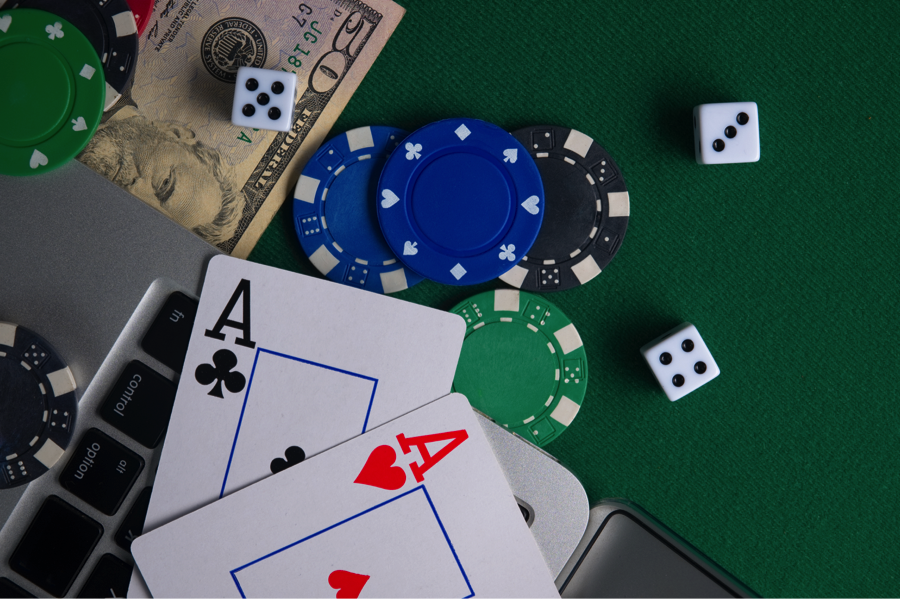
Understanding the Impact of Gambling Psychology on Casino Environments
Casinos capitalize on the knowledge of gambling psychology to create environments that are conducive to prolonged engagement from players. By understanding the inclinations and behaviors of gamblers, casinos design layouts, offer promotions, and develop games that maximize player involvement and spending.
This strategic approach not only enhances the profitability of casinos but also raises ethical questions about the responsibility of these establishments in curbing gambling addiction. As the industry continues to evolve, ongoing discussions surrounding the psychology of gambler behavior will be vital for creating accountable gambling environments that prioritize player well-being.